Proper maintenance of work clothes significantly extends their lifespan. Regular washing in accordance with the fabric’s care instructions, proper storage, and timely repair of minor damage keep work clothes in good working condition for much longer than occasional or improper care. In this article, we’ll go over the most important maintenance practices that will help employers or procurement managers get the most out of their investment in workwear for their staff.
The main factors that cause wear and tear on work clothes are mechanical abrasion, incorrect washing temperatures, harsh detergents, and improper drying. The combined effect of these factors results in fabric brittleness, color fading, and weakened seams. Understanding the causes of wear makes it easy to choose the right care methods.
In the construction, industrial, and logistics sectors, workwear is exposed to physical stress on a daily basis: friction against surfaces, repetitive movements, and carrying heavy objects place particular strain on the knee and elbow areas as well as the edges of pockets. In the service sector, on the other hand, the high number of washes is often the single biggest factor causing wear and tear.
Chemicals, oils, and other substances in the work environment can also weaken the fibers if the garment is not rinsed or washed quickly enough after exposure. Prompt action against stains and dirt is one of the most effective ways to protect the fabric from long-term damage.
Our workwear selection includes a product-specific estimate of how many washes the garment can withstand while retaining its properties and neat appearance. In addition, we offer a laundry and maintenance service for workwear, which ensures that the garments are handled properly and their lifespan is maximized.
Work clothes should always be washed according to the care instructions on the garment, as different materials can withstand different washing temperatures and spin speeds. Cotton generally withstands higher temperatures, while polyester and technical protective materials require a lower washing temperature and gentler handling.
Cotton-based work clothes are typically washed at temperatures between 40 and 60 degrees. Heavily soiled garments, such as work jackets or pants used in the construction industry, can withstand higher temperatures, but repeated washing at 60 degrees shortens the fabric’s lifespan. A mild detergent is usually sufficient, and you should avoid using strong bleaches unless the care label specifically allows it.
Polyester-based and technical protective materials are generally washed at 30–40 degrees. Water that is too hot can damage the fiber structure and impair functional properties such as moisture wicking or wind protection. It’s best to use a low spin cycle, and garments should be air-dried rather than tumble-dried.
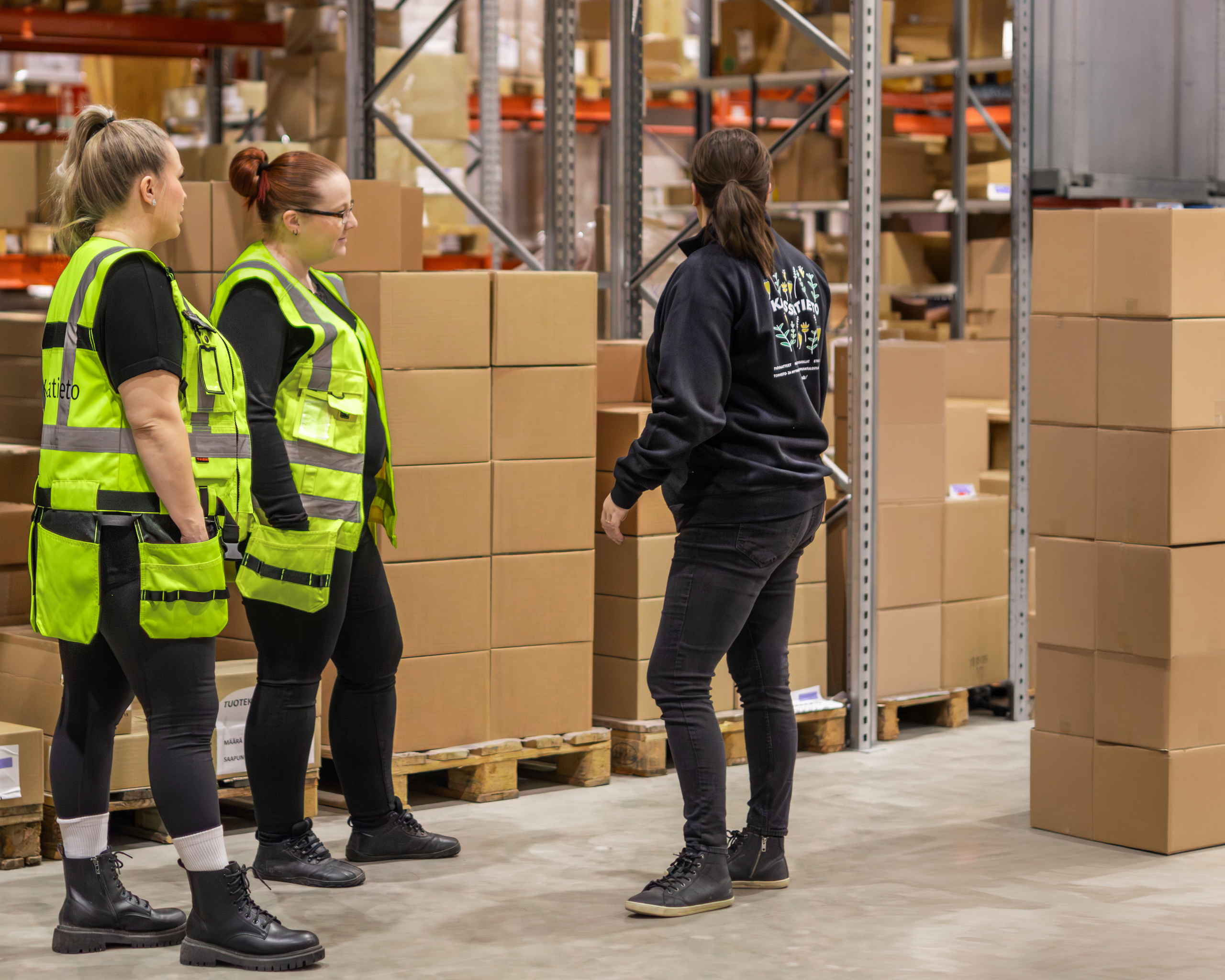
It is especially important to follow the care labels carefully for high-visibility clothing used in the logistics and industrial sectors, as the wrong wash cycle can impair the effectiveness of the reflective surfaces and compromise the wearer’s safety.
All of our products indicate the appropriate washing temperature for that specific item.
Work clothes should be washed as needed, not just on a set schedule. As a practical guideline, visible dirt, sweat, or odors are clear signs that washing is needed. Excessive washing wears out the fabric unnecessarily, but insufficient washing can damage the fibers due to the effects of dirt and chemicals.
In the service and food industries, hygiene requirements dictate the frequency of washing: garments are often washed daily or every other day. In the construction or industrial sectors, where dirt is primarily mechanical in nature, wearing a garment for several days may be justified, provided it is aired out between uses.
It is good practice to provide staff with a sufficient number of garments so that individual items do not need to be washed too frequently. This evens out the wear and tear from washing and extends the service life of the entire clothing inventory.
Proper storage prevents mold caused by moisture, prevents creasing damage to the fabric, and maintains the structure of the garments. Clean, dry, and well-ventilated work clothes stay in better condition for significantly longer than clothes crammed into a damp or cramped space.
The most important storage principles are simple:
Workplaces should provide clearly designated locker rooms and storage areas with sufficient space for clothing. In cramped spaces, clothes become wrinkled and the fabric’s surface gets worn down, which accelerates wear and tear.
Minor damage, such as broken zippers, loose buttons, or small tears, should always be repaired, as repairs are significantly less expensive than buying a new garment. More extensive structural damage or fabric that has become significantly brittle, on the other hand, is a sign that replacing the garment is the more sensible solution. From our selection includes Blåkläder’s clothes that have a lifetime warranty on the seams of workwear if they have come apart during normal use offered by Blåkläder.
A few practical questions can help you make this decision:
Special care must be taken with clothing that includes safety features, such as reflective jackets or protective pants: if the protective structure of the garment is damaged, replacing it is the only safe option.
In the long term, it’s also worth assessing the age of the entire clothing inventory. If a large portion of the garments are reaching the end of their useful life at the same time, planned replacement in batches is more cost-effective than reactively replacing individual items.
When it’s time to replace your staff’s workwear or expand your selection, Kassatieto’s online store offers a comprehensive selection of high-quality workwear designed for professional use across various industries. Contact Kassatieto’s sales team and easily build a practical workwear solution as part of your company’s overall supply procurement.

045 7731 2021
asiakaspalvelu@kassatieto.com

Kassatieto is a second-generation Finnish family business that combines extensive experience, Finnish production and responsible business practices. Our aim is to make our customers’ daily lives run more smoothly with reliable products and expert service.
045 7731 2021
asiakaspalvelu@kassatieto.com

asiakaspalvelu@kassatieto.com
045 7731 2021
Benjamin Hornborg
benjamin.hornborg@kassatieto.com
050 541 1770
Mika Ilkko
mika.ilkko@kassatieto.com
040 484 2584
Salla Ristimäki
salla.ristimaki@kassatieto.com
045 127 9966
Anna Koiranen
anna.koiranen@kassatieto.com
040 901 2711
asiakaspalvelu@kassatieto.com
045 7731 2021
Benjamin Hornborg
benjamin.hornborg@kassatieto.com
050 541 1770
Mika Ilkko
mika.ilkko@kassatieto.com
040 484 2584
Salla Ristimäki
salla.ristimaki@kassatieto.com
045 127 9966
Anna Koiranen
anna.koiranen@kassatieto.com
040 901 2711